Women's Wellbeing • 6-minute read
Hyper-independence has a cost
When being the strong one becomes exhausting
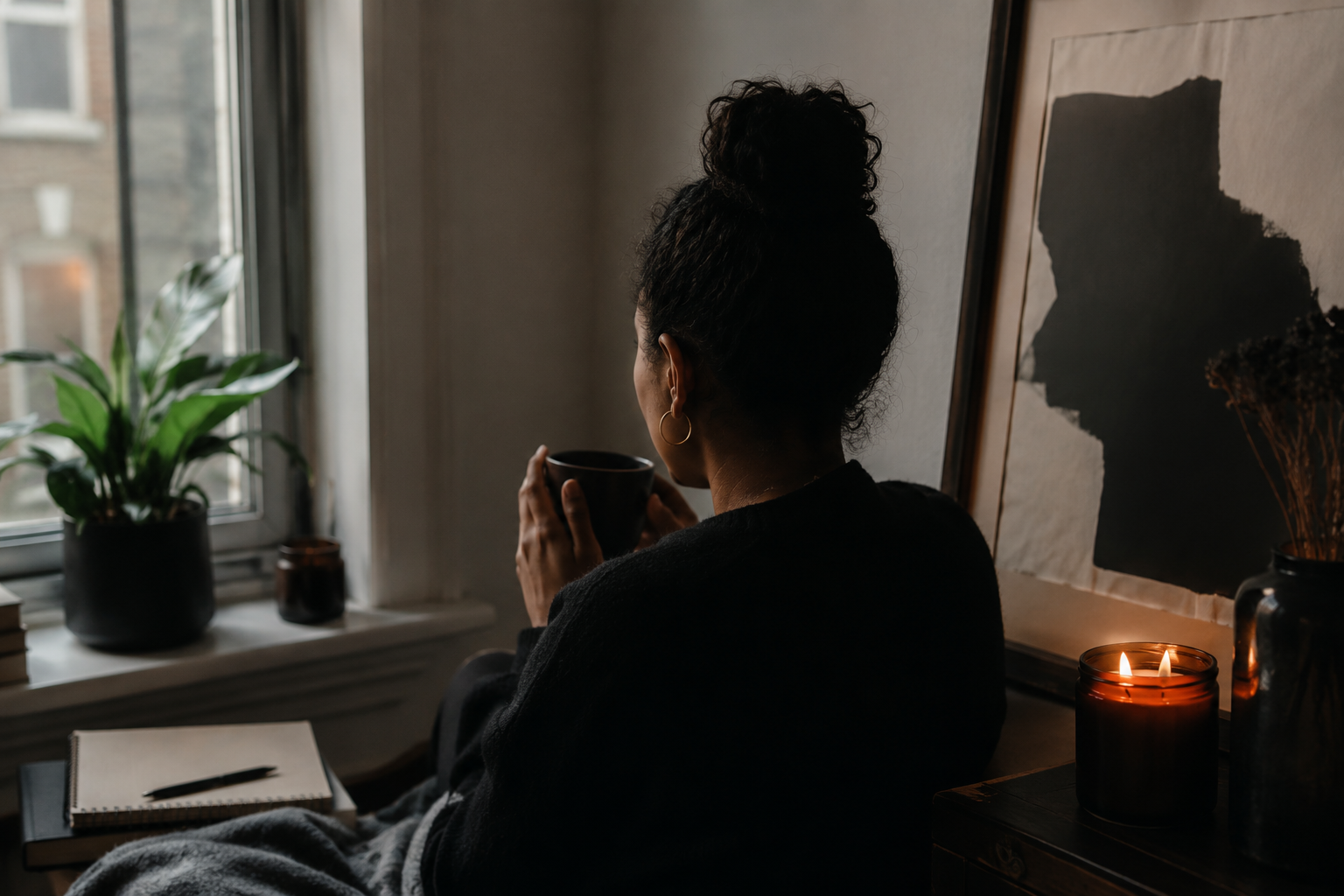
"I've got it."
You probably said it today.
Someone offered to help.
You smiled.
"It's alright."
"I'll do it."
So you carried on.
Again.
At first...
it doesn't feel like a problem.
It feels like being capable.
Reliable.
Organised.
Independent.
Until one day...
your body starts asking questions...
your mind has been too busy to hear.
Does this sound familiar?
You find it difficult to ask for help.
You tell people you're "fine" when you're not.
Rest feels uncomfortable.
You carry everyone else's worries before your own.
You rarely stop until everything is done.
People describe you as "the strong one."
Being capable isn't the problem.
Feeling like you always have to be is.
Most people don't call it hyper-independence.
They simply say...
"I don't like bothering people."
"It's easier if I do it myself."
"I'm used to dealing with things alone."
"Other people have enough going on."
Sound familiar?
Sometimes that's confidence.
Sometimes...
it's survival.
For many people, there was a time when relying on themselves felt like the safest option.
Over time, that way of coping can become so familiar that asking for help feels harder than carrying everything alone.
The body notices before we do.
One thing I've noticed over nearly twenty years of working with people is this:
Long before someone tells me they're overwhelmed...
their body already has.
Their shoulders are tighter.
Their breathing has become shallower.
Sleep isn't as restful.
They're tired...
but they keep going.
The body often notices before we do.
Here's something worth noticing...
If someone offered to carry one of your shopping bags...
would you let them?
Or would you automatically reply...
"No, I'm alright."
Many of us refuse help before we've even thought about it.
Not because we don't appreciate it.
Because we're so used to carrying things ourselves.
Strength and survival aren't always the same thing.
Being resilient is a wonderful quality.
Being capable can help us through incredibly difficult times.
But sometimes we continue using survival strategies long after the difficult season has passed.
We keep saying yes.
We keep putting ourselves last.
We keep carrying more than anyone realises.
Not because we have to.
Because it has become normal.
Start by noticing
Notice how quickly you say...
"I've got it."
Notice how often you put yourself at the bottom of the list.
Notice how your shoulders feel at the end of the day.
Notice your breathing when everything feels urgent.
Notice what your body has been trying to tell you.
No judgement.
Just curiosity.
Because awareness often comes before change.
You don't have to carry everything.
Being supported doesn't make you less capable.
Rest doesn't make you lazy.
Asking for help doesn't make you weak.
Sometimes the strongest thing we can do...
is allow ourselves to put something down.
Even if it's only for a little while.
If this feels familiar...
You're not alone.
Many women spend years carrying far more than anyone sees.
Regulation Under Pressure™ was created for women carrying too much for too long.
Through practical, evidence-informed wellbeing techniques, you'll learn how to recognise stress earlier, understand what your
body is telling you and develop simple, practical ways to support your wellbeing before overwhelm takes hold.
If you're not ready for a workshop yet, explore our Free Resources for practical tools you can start using today.
Take a moment...
Before you move on...
Pause.
Notice your shoulders.
Take one slower breath.
And quietly ask yourself...
What have I been carrying today?
You don't have to answer it straight away.
Sometimes...
simply noticing...
is where change begins.
Continue Reading
Related Article 1 | Related Article 2 | Related Article 3
Explore